
In this article
The comparison at a glance
We looked at coverage structure rather than marketing claims. Specifically: annual limits, sub-limits by condition, reimbursement rate, waiting periods, and whether the insurer pays the vet directly. Those five things determine what you actually get back.
- No sub-limits: Knose
- Highest annual limit: Pet Insurance Australia, $25,000
- Lowest typical premium: Budget Direct
- Single consolidated product: Bow Wow Meow
- Pays the vet directly: RSPCA Pet Insurance, via GapOnly
Provider reviews
Underwritten by PetSure. Bow Wow Meow consolidated its tiers into a single Nose-To-Tail product, which removes a lot of the confusion that comes with three or four overlapping cover levels. Their PDS is one of the clearer ones in the market, and claims satisfaction scores have held up better than most.
WHAT WORKS
- Single clear product, no tier confusion
- Multi-pet discount
- Flexible excess options
- Strong claims turnaround
WHAT DOES NOT
- Six month wait on cruciate ligament
- Some sub-limits still apply
- Reimbursement model, you pay upfront
Knose built its product around one differentiator: no sub-limits. Your full annual limit is available for any covered condition. For an owner of a breed with orthopaedic risk, that single feature can be worth more than a $5,000 difference in headline annual limit.
WHAT WORKS
- Zero sub-limits on any condition
- Excess from $0, which is rare
- Fast claims, often under a week
- No upper age limit for new policies
WHAT DOES NOT
- Premiums sit above market average
- Fewer optional add-ons
- Smaller brand, less name recognition
PetSure underwrites this one. The headline attraction is annual limits reaching $25,000, plus GapOnly support at participating clinics, meaning you pay only your share at the counter rather than the full bill.
WHAT WORKS
- Very high annual limits
- GapOnly at participating vets
- Broad optional extras
- Australian owned
WHAT DOES NOT
- Sub-limits apply on specialist care
- Shares underwriter with several rivals
- Higher tiers get expensive quickly
Solid accident and illness cover at a price point that undercuts most of the market. You are trading annual limit headroom for a lower premium, which is a reasonable trade if your dog is young, healthy and not from a high-risk breed.
WHAT WORKS
- Genuinely competitive premiums
- Established Australian brand
- Straightforward claims process
WHAT DOES NOT
- Lower annual limit than rivals
- Sub-limits on several condition types
- Thinner optional extras
Side by side comparison
| Provider | Annual limit | Reimburse | Sub-limits | Direct pay | Underwriter |
|---|---|---|---|---|---|
| Bow Wow Meow | $15,000 | 80% | Some | No | PetSure |
| Knose | $20,000 | 80% | None | No | Knose |
| Pet Insurance Australia | $25,000 | 80% | Some | GapOnly | PetSure |
| Budget Direct | $12,000 | 80% | Some | No | Auto & General |
| RSPCA Pet Insurance | $12,000 | 80% | Some | GapOnly | PetSure |
Why sub-limits matter more than annual limits
This is the single most misunderstood part of Australian pet insurance, and it is where most people lose money.
An annual limit is the maximum the policy will pay across all claims in a policy year. A sub-limit is a smaller cap applied to a specific condition or condition category, sitting underneath the annual limit.
Here is what that looks like in practice. Say you hold a policy with a $15,000 annual limit and a $3,000 sub-limit on cruciate ligament conditions. Your Labrador tears a cruciate. The surgery, imaging, medication and follow-up come to $5,800.
| Policy with $3,000 sub-limit | Policy with no sub-limit | |
|---|---|---|
| Vet bill | $5,800 | $5,800 |
| Capped at | $3,000 | $5,800 |
| Reimbursed at 80% | $2,400 | $4,640 |
| Less excess ($200) | $2,200 | $4,440 |
| You pay | $3,600 | $1,360 |
Same annual limit on paper. A $2,240 difference in your pocket. The sub-limit did all the work, and it is buried in the PDS, not on the comparison page.
Breed risk and what it costs you
Insurers price by breed because claim patterns differ enormously. Some of this is well known, some of it is not.
| Breed | Elevated risk | Typical cost |
|---|---|---|
| Labrador Retriever | Hip dysplasia, cruciate rupture, obesity-linked issues | $3,000 to $7,000 |
| Golden Retriever | Cancer, hip dysplasia, cruciate rupture | $5,000 to $15,000 |
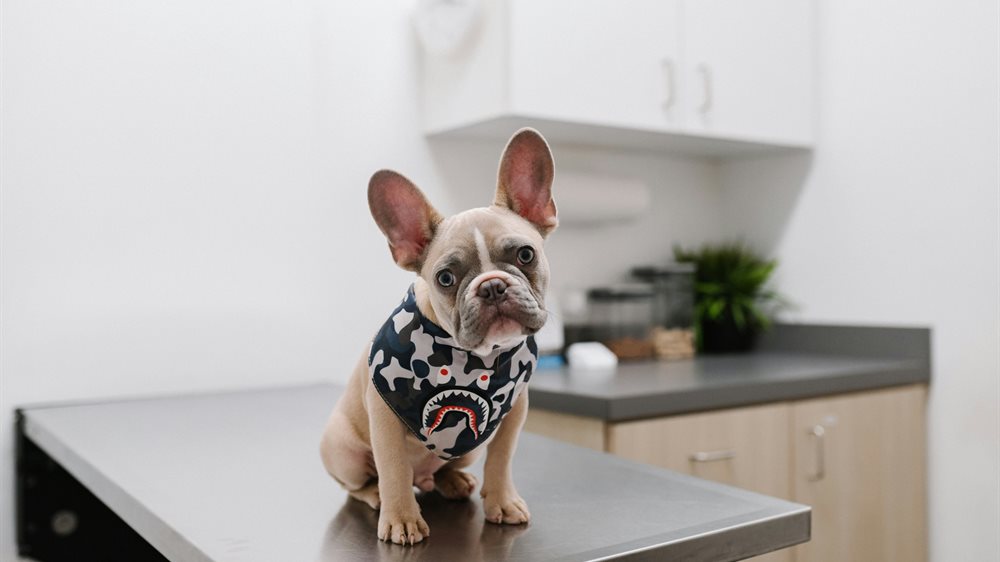
| French Bulldog | Brachycephalic airway, spinal disease, skin conditions | $3,500 to $8,000 |
| German Shepherd | Hip and elbow dysplasia, degenerative myelopathy | $4,000 to $9,000 |
| Cavalier King Charles | Mitral valve disease, syringomyelia | $3,000 to $8,000 |
| Dachshund | Intervertebral disc disease | $4,000 to $10,000 |
| Mixed breed, medium | Lower baseline risk overall | Varies |
If your dog is on that list, sub-limits and waiting periods for the relevant condition category should drive your decision more than the monthly premium. A policy that excludes or caps the exact thing your breed is prone to is close to worthless for that risk.
What cover typically costs
Two published averages exist and they measure different things. Compare the Market's analysis of over 16,000 Australian quotes taken between March 2025 and March 2026 puts comprehensive accident and illness cover for dogs at $1,192 a year, roughly $99 a month. Canstar's 2025 Star Ratings, which average across rated products rather than real quotes, puts it at $1,359. Either way the average hides a wide spread. That average hides a wide spread.
| Dog profile | Typical monthly premium |
|---|---|
| Toy breed, under 3 years | $40 to $67 |
| Medium mixed breed, 2 to 4 years | $55 to $85 |
| Large breed, 3 to 5 years | $85 to $120 |
| High-risk breed, any age | $110 to $180 |
| Any breed, 7 years plus | $135 to $200 plus |
| Giant breed | $121 plus |
Two levers reduce this without gutting your cover. Raising your excess from $100 to $500 typically cuts the premium by fifteen to twenty five per cent. Insuring more than one pet with the same provider usually unlocks a discount of five to ten per cent.
Common questions
Bottom line
For most Australian dog owners, Bow Wow Meow is the sensible default. If your dog is a breed with known orthopaedic or chronic risk, Knose and its no sub-limit structure is worth the extra monthly cost. Whatever you choose, insure early and read the sub-limits for your breed's specific risks before the premium comparison.
Premium data sourced from Compare the Market quote analysis (March 2025 to March 2026), PetSure Pet Health Monitor 2025, and provider PDS documents current at July 2026.