In this guide
Health conditions British Shorthairs are prone to
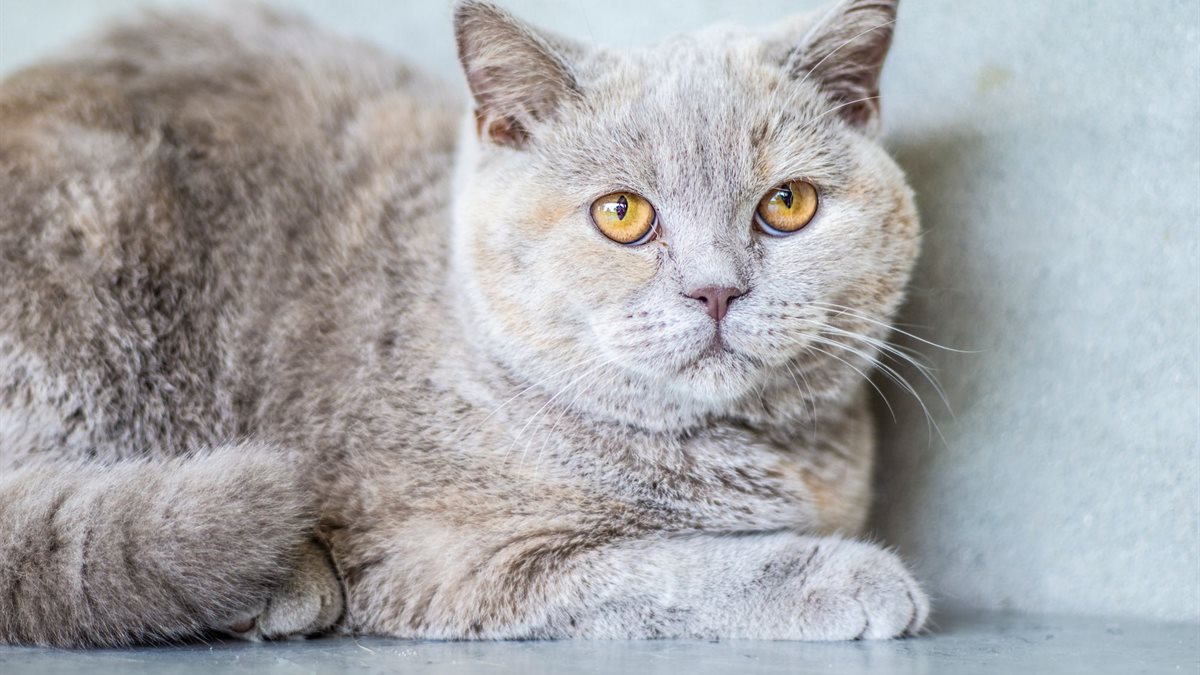
British Shorthairs are Australia's third most popular insured cat, and the PetSure figures separate them clearly from the average. Eye infections run at 5.2% and ear infections at 3.4%, both more than double the typical feline rate. Gastroenteritis sits at 7.8% and skin conditions at 3.7%, each above average. PetSure attributes the eye and ear pattern to the breed's facial structure and genetics. Alongside that sit two inherited conditions that do not show in claim frequency but dominate claim value.
| Condition | Typical cost | Notes |
|---|---|---|
| Polycystic kidney disease (PKD) | $1,500 to $4,000 per year once established | Inherited, DNA test available, screened by reputable breeders |
| Hypertrophic cardiomyopathy (HCM) | $2,000 to $6,000, more over a lifetime | PetSure notes higher heart condition risk in the breed |
| Eye infections and conditions | $400 to $1,500 per episode | PetSure records 5.2%, more than twice the feline average |
| Ear infections | $300 to $900 per episode | PetSure records 3.4%, more than twice the feline average |
| Gastroenteritis | $500 to $2,500 per episode | PetSure records 7.8%, well above the feline average |
| Skin conditions | $600 to $2,000 per year | PetSure records 3.7%, above the feline average |
| Dental disease | $800 to $2,000 per procedure | Rarely covered without a dental add-on |
What insurance costs for a British Shorthair
Compare the Market's quote analysis puts the Australian cat average at around $619 a year, roughly $52 a month, against $1,192 for dogs. British Shorthairs claim above the feline average in four of the categories PetSure measures, so expect quotes towards the upper end of the cat range. No Australian source publishes premiums by cat breed.
| Age | Typical monthly premium |
|---|---|
| Kitten, under 1 year | $35 to $55 |
| 2 to 4 years | $50 to $80 |
| 5 to 8 years | $80 to $125 |
| 9 years and over | $125 to $200 |
Policy terms that affect claims for this breed
Three parts of a PDS have more bearing on what a British Shorthair claim pays than the headline premium does. What follows describes how those terms operate. It is not a recommendation to buy or hold any particular policy.
1. How sub-limits on recurring and hereditary conditions work
Two structures matter here. A per-condition cap interacts badly with recurring eye and ear problems, because the same condition returns rather than resolving. And a cardiac or renal sub-limit constrains the two inherited conditions that produce the largest lifetime claims. Policies with no sub-limits are bounded only by the annual limit.
2. How waiting periods apply
The standard 30 day illness waiting period applies. Because eye and ear problems appear early and often in this breed, anything noted in the clinical history before cover starts is treated as pre-existing. Kidney and heart findings from a routine examination have the same effect on those categories.
3. How exclusions are defined
Ask how the insurer treats recurring conditions, since the breed's most frequent claims recur. Also check whether polycystic kidney disease and hypertrophic cardiomyopathy fall inside a hereditary exclusion, because both are inherited and both are screened for in reputable breeding lines.
How three providers compare
Policy features relevant to the conditions described above, as published by each insurer. This is a factual comparison, not a ranking or a recommendation.
| Provider | Relevant policy feature | Annual limit |
|---|---|---|
| Knose | No sub-limits, and no upper age limit on new policies | Up to $20,000 |
| Bow Wow Meow | Chronic and recurring condition terms set out explicitly in the PDS | Up to $15,000 |
| Pet Insurance Australia | Highest annual limit of the three | Up to $25,000 |
Common questions
Summary
British Shorthairs are among the clearest cases in PetSure's cat data for reading the claim categories rather than the headline. Eye and ear conditions at more than twice the feline rate are frequent and recurring, and polycystic kidney disease and hypertrophic cardiomyopathy are inherited and managed across years. Both patterns are the kind constrained by per-condition caps rather than by the annual limit.
Condition costs are indicative ranges compiled from Australian veterinary pricing sources. Premium figures are published averages, sourced on each page. Policy features are as published by each insurer and current at July 2026; verify against the current PDS before relying on them.